Patients with Brain Implants
Studying the lived experience of implanted medical devices through the case of brain implants for epilepsy.
CSCW 2025 | Paper
Role: Student Lead/ First Author
Duration: April 2024 - January 2025
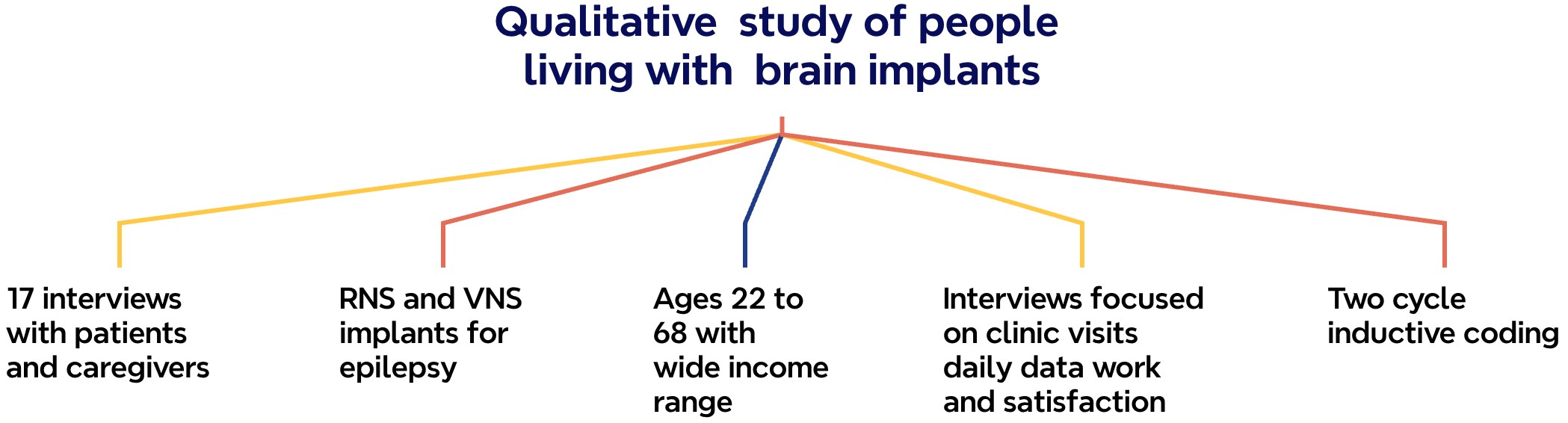
Description: This research examines how implanted medical devices for treating epilepsy reshape patient experiences, medical collaboration, and everyday life through qualitative interviews with seventeen patients and caregivers. The study reveals that implants introduce significant changes to clinical interactions and home management practices while raising important questions about equity and data access in technology-mediated healthcare.
Motivation
Who does care work and who bears data burden?
- Brain implants are data driven medical devices that deliver treatment inside the body.
- Prior HCI work focuses on wearables that are optional and patient facing.
- Little is known about everyday life with implants that cannot be removed.
- We ask how brain implants reshare care collaboration and equity.
Method
Findings
Collaboration is reconfigured
- A new expert enters care, collaboration expands but also becomes uneasy.
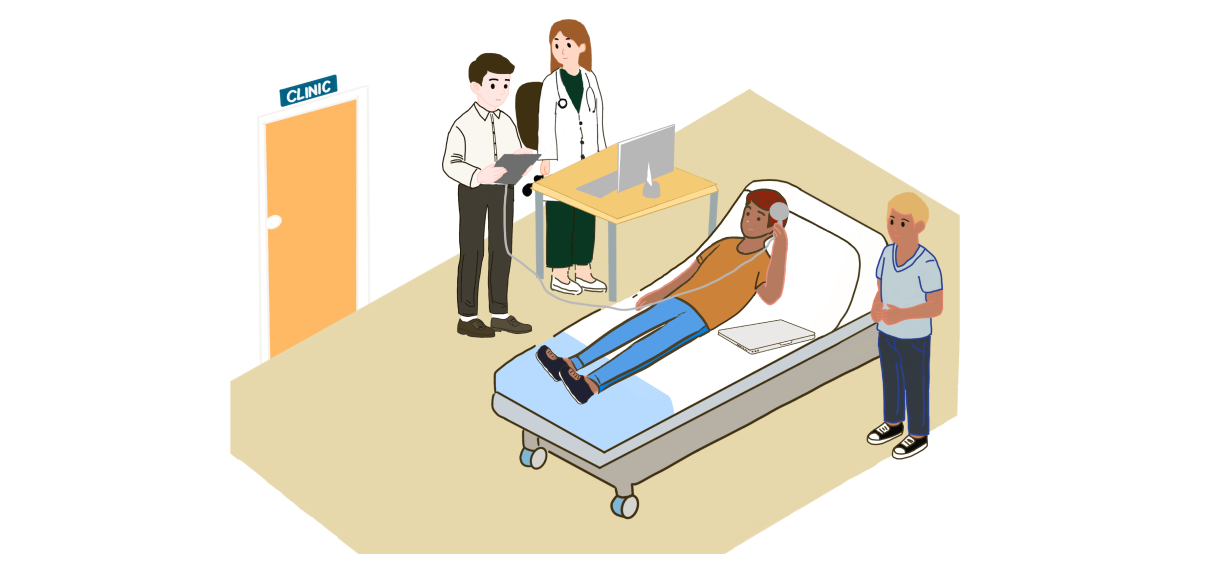
- Clinic visits now include device engineers.
- Doctors and engineers jointly interpret implant data.
- Engineers often lead device programming.
- Some patients value extra expertise, others question doctor authority.
Data work shifts to patients, treatment depends on data labor
- Daily labor becomes required.
- Patients must transfer implant data to a laptop daily.
- Uploads require wired internet, data work is time consuming and easy to forget.
- Burden is heavier for low income older and busy patients.
Access to data is desired but blocked, patients do the work but lack visibility
- Patients want to see their own brain data.
- Participants trust doctors and manufacturers.
- Strong desire to access implant data.
- Want summaries alerts and trends, believe access would help manage their condition.
- Current systems are physician facing only.
Satisfaction is defined differently
- Success is not just seizure reduction, patient definitions differ from clinical outcome.
- Satisfaction linked to fewer seizures and fewer medications.
- Medication reduction often did not happen.
- Side effects were tolerated if seizures improved.
- Mismatched expectations caused frustration.
Implications for Design and Care
What this means for practice?
- Brain implants redistribute care work to patients and caregivers.
- Data transfer and maintenance should reduce manual effort.
- Patient facing views of implant data can support daily sense-making.
- Care teams need clearer role boundaries between doctors and engineers.
Contributions
- Extends CSCW data-driven work from wearables to implanted treatment devices.
- Shows how new expert roles reshape collaboration, and expands data work theory to non optional medical technologies.
- Surfaces equity issues tied to infrastructure and access.
 Care does not stop at the clinic.